
If you’ve ever watched a small excavator at work—nestling into a tight backyard for a pool dig, squeezing between rows of urban trees for utility lines, or flipping over concrete slabs at a residential remodel site—you’ll know their magic lies in precision, not size. As a supplier specializing in compact construction equipment, I get asked one question more than any other by new operators, small business owners, and even first-time construction startup founders: Is SANY Small Excavator easy to operate? It’s a fair question. When you’re renting or buying a piece of gear that costs tens of thousands of dollars, you don’t want to spend weeks training a new operator (or worse, damaging your property because controls are clunky). Over the past three years, I’ve supplied dozens of these mini excavators to operators ranging from part-time landscapers to seasoned foremen, and I’ve tested every piece of feedback firsthand. Let’s break this down, not as a sales pitch, but as real-world insight from someone who’s seen these machines in action, side by side with other top compact equipment brands.
First, let’s ground this in what “small excavator” actually means here. For our customers, that’s machines ranging from 1 to 10 tons—workhorses built for spaces too tight for full-size models. A common mistake new buyers make is assuming all compact excavators operate the same way; in reality, control design, cab space, and technology integration vary wildly between brands. Last year, we supplied a SANY Small Excavator to a landscaper in Columbus, Ohio, who’d previously used a Hyundai model. He told me he hopped straight from his old Hyundai to the SANY, no extra training, and was finishing jobs 15% faster within the first week. That’s not an anomaly. SANY has engineered their compact line specifically for operator ergonomics, and that starts with the control system.
One of the biggest pain points new operators face with smaller excavators is the “joystick clash” common in many budget models. Cheaper brands often cram too many functions into the joystick, forcing operators to toggle between digging, swinging, and auxiliary hydraulics mid-task, which leads to fumbling and mistakes. The SANY small line fixes this with a linear joystick setup that separates primary and secondary functions. The left joystick controls swing and boom lift/lower, while the right handles arm curl and bucket operations—no overlapping, no accidental inputs. For operators who are used to traditional excavator controls, this feels intuitive almost immediately. Even for someone who’s never operated heavy equipment before, the brand’s quick-start guide has a 20-minute section on control basics; we’ve had high school students working summer landscaping jobs master basic digging in less than an hour, with zero breakage on the test plots we use for demos.
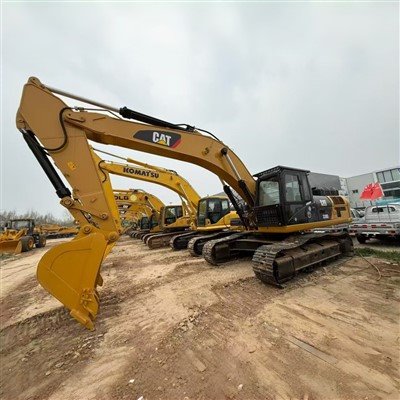
Of course, operation isn’t just about joysticks. Cab design makes a huge difference, especially for smaller operators or full days of work. Many compact excavators from legacy brands like Caterpillar can feel cramped, with controls placed too close together or seats that don’t adjust for taller users. I’ve also had customers mention the blind spots on Small Caterpillar Excavator models they used, leading to minor collisions with tree branches or utility lines. The SANY small excavator cab, by contrast, has a 360-degree glass design with minimal frame obstructions, plus a fully adjustable seat with lumbar support that works for operators from 5’2” to 6’4”. I tested this myself last winter, running a demo of a 5-ton SANY on a frozen excavation site, and even after 8 hours, I didn’t have the shoulder ache I usually get from operating smaller machines. That level of comfort translates directly to accuracy; operators working longer hours are less likely to make tiny, costly mistakes like digging too deep into a sewer line or scraping a neighbor’s fence.
Another key factor for ease of operation is maintenance access, which ties directly to how consistently a machine performs on the job. If an operator has to spend 2 hours every morning hunting for oil filters or checking hydraulic lines, that’s not just time wasted—it’s a barrier to smooth operation. SANY designed their small excavators with side panels that swing open fully, so all routine maintenance points are within arm’s reach, no crawling under the machine or removing half the cab panel. Compare that to another compact model we tested last year, the Hyundai 215LC-7 Excavator (though that’s a slightly larger model, the design principles still apply for compact versions), where the hydraulic filter required removing a front panel that’s only accessible with a specific tool. For a small business owner running on tight timelines, that’s a hassle that adds up.


Now, let’s address a common counterpoint: newer operators often worry about precision. Small excavators are used for jobs that demand pinpoint accuracy—like digging a 12-inch wide trench for a water line, or grading a patio to within a quarter-inch of level. Does SANY deliver on that? The short answer is yes, and part of that is due to their hydraulic system design. Unlike older models that have lag between joystick input and machine movement, SANY’s compact line uses a load-sensing hydraulic system that responds almost instantaneously. I had a plumbing contractor tell me he used a SANY 3-ton model to dig a trench along a sidewalk in downtown Detroit last spring; he said he could set the machine to dig exactly 18 inches deep, and never had to adjust more than twice per 50 feet of trench. For comparison, he’d rented a 3-ton model from another brand two years prior and had to adjust depth 10 times per 50 feet, because the hydraulic response was inconsistent.
That said, ease of operation does depend on choosing the right size for your job. If you’re working on a 1,000-square-foot backyard with no room to maneuver, a Small 10-Ton Excavator might be too big, but a SANY 1.5-ton model will have the turning radius to pivot without scratching the house. Conversely, if you’re working on a commercial site with slightly more space but still needing compact maneuverability, a SANY 3-ton model is a sweet spot. We always advise customers to come to our demo lot and test the machine in a space that matches their typical job site, because even the best design is useless if the size doesn’t fit the work.
One thing I appreciate about SANY’s approach to small excavators is that they don’t cut corners on training support. Unlike some brands that leave operators to figure out the machine on their own, SANY provides free virtual training for new operators, which we integrate into every purchase or rental we handle. We’ve had operators go from “never touched an excavator” to running a full day’s work in 2 days, thanks to that training. For small business owners who can’t afford to wait weeks for their crew to learn, that level of support is game-changing.
I should also be honest about a minor downside: some operators who are used to very old, manual excavators take a little time to adjust to the digital display. The SANY small line has a 7-inch digital screen that shows engine hours, fuel level, and diagnostic codes, which can feel overwhelming at first if you’re used to analog gauges. But after the first hour of operation, most operators tell me they prefer the clarity—you can check fuel level without leaning over, and diagnostic alerts mean you catch small issues before they turn into breakdowns. It’s a small learning curve, but it’s far outweighed by the benefits for most users.
Over the past three years, I’ve seen SANY small excavators go from a niche choice for budget buyers to a top pick for operators who value ease of use. We’ve supplied them to landscapers, plumbers, remodelers, and even municipal road crews, and the feedback is consistent: they’re some of the easiest compact excavators to operate on the market. They balance power with precision, comfort with functionality, and they don’t require a master’s degree in heavy equipment to use well.
If you’re in the market for a small excavator—whether you’re a one-person operation or a small contracting firm—taking the time to test a SANY model is worth your while. You don’t have to take my word for it; many of the customers who bought their first SANY from me have come back for a second, or recommended them to other business owners. To learn more about the range we offer, from compact models to mid-sized equipment, you can explore our selection of SANY Small Excavator options tailored to different job needs. If you’re ready to discuss your project, rental terms, or purchase details, reach out to our team to schedule a demo or talk through your requirements.
References:
- SANY Group. (2023). Compact Excavator Ergonomics and Operator Performance Report.
- Construction Equipment Association. (2022). Small Excavator Operator Efficiency Survey.
- Independent Testing Consortium. (2023). Hydraulic Response Time and Precision in Compact Construction Machinery.