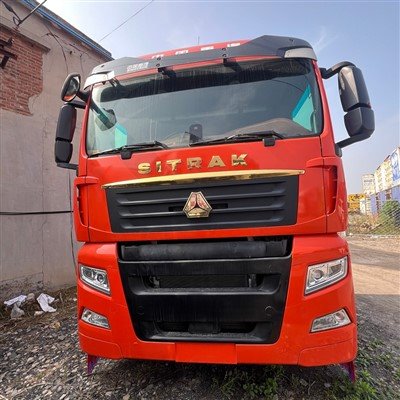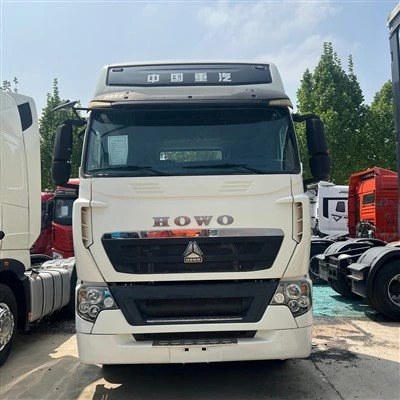
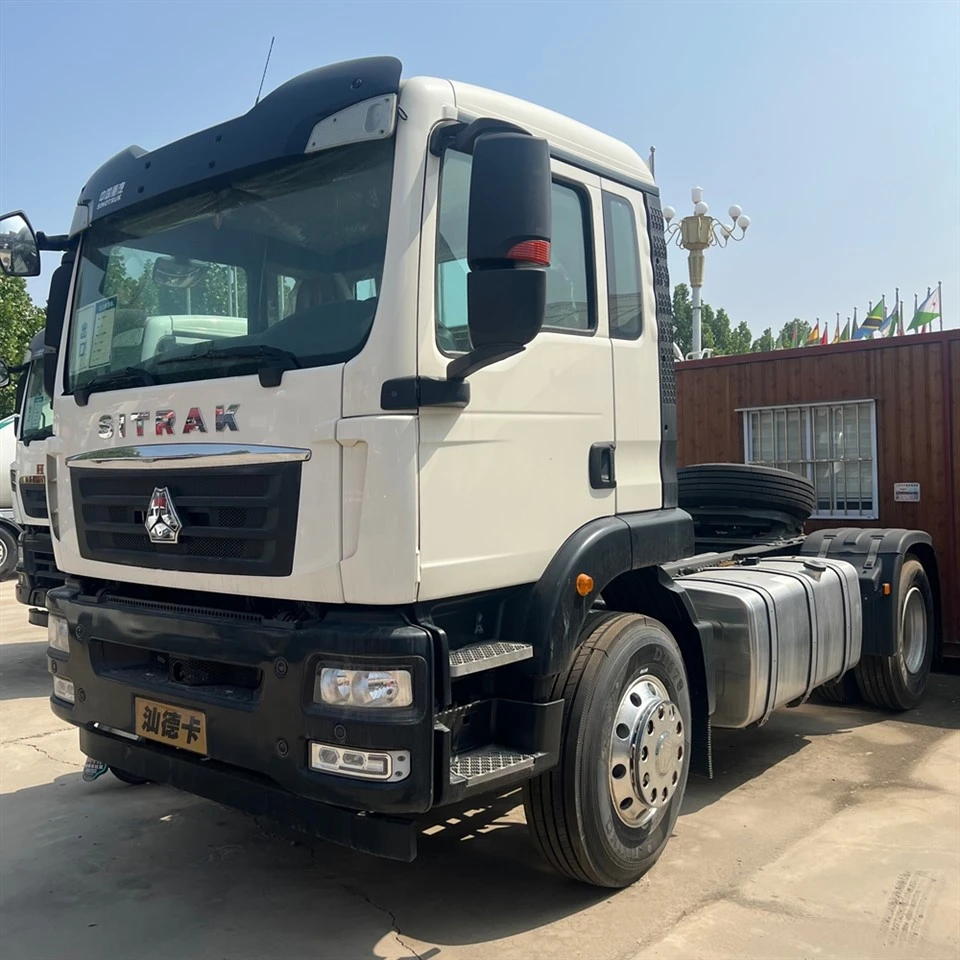
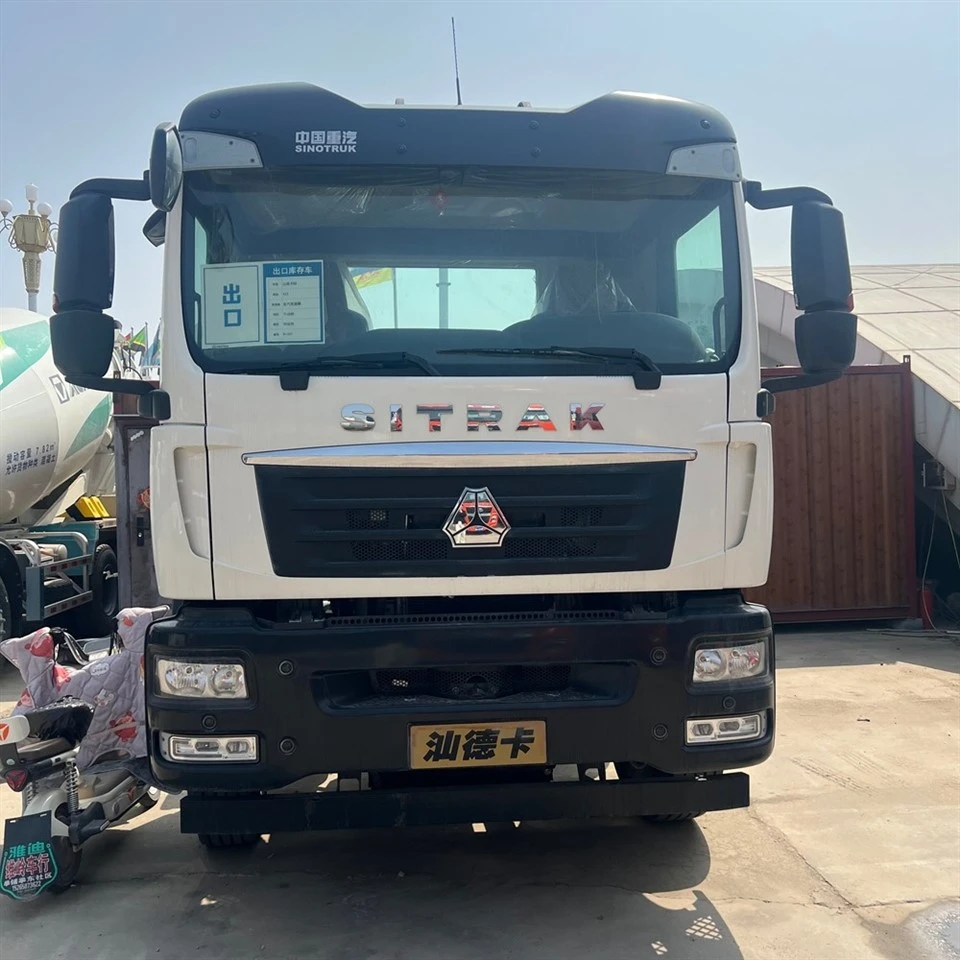
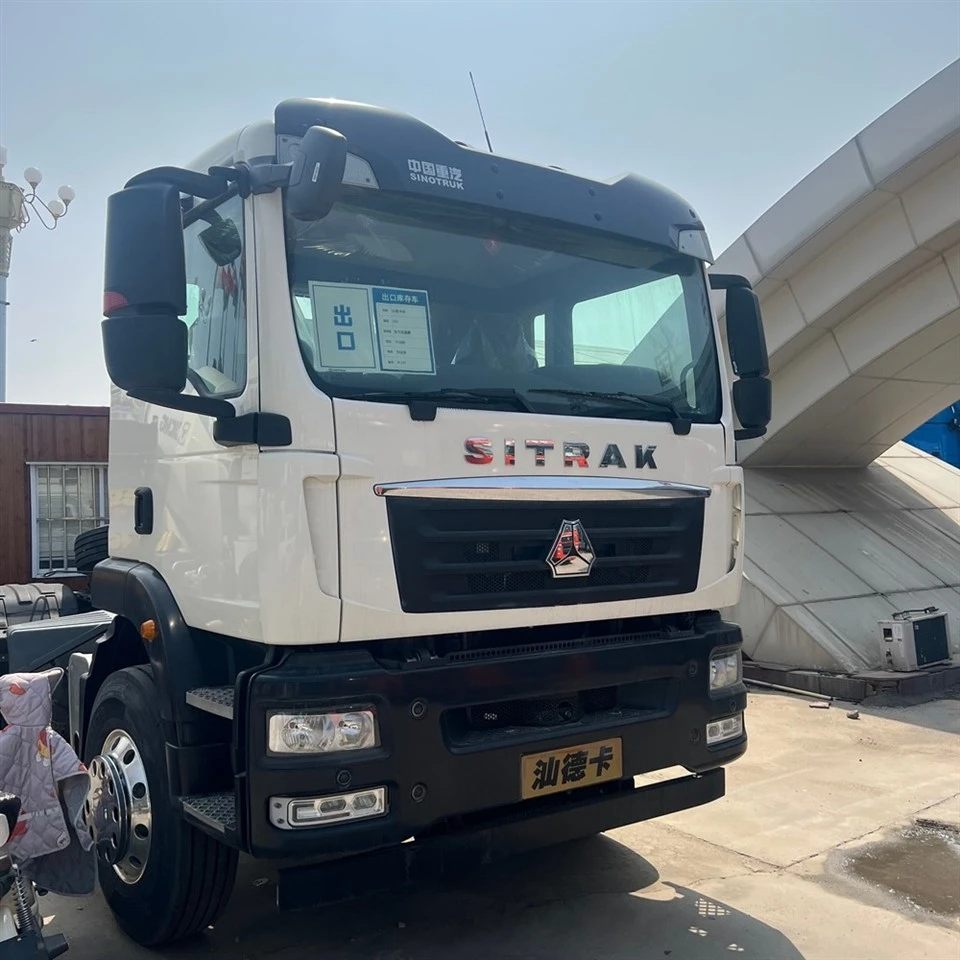

Sitrak 4×2 Tractor - Introduction, Detailed Specifications & Operation Guide
Detailed Specifications
Basic Parameters
- Brand & Model: Sinotruk Sitrak 4×2 Heavy-Duty Tractor (optional configurations for different power levels, cab types and transportation scenarios)
- Drive Type: 4×2 (fixed drive configuration), 1 front steering axle and 1 rear driving axle (2 driving wheels), suitable for medium-load (20–40 tons) long-distance, inter-city and short-distance traction transportation
- Wheelbase: 2800mm / 3200mm / 3600mm / 3800mm (optional configurations, adjustable according to traction needs and trailer matching, adapting to different trailer lengths and transportation scenarios)
- Overall Dimensions (L×W×H): 6200–7200mm × 2550mm × 3800–4050mm (varies with cab type, high-top or standard cab, and additional configurations)
- Curb Weight: 6.8–7.5 tons (lightweight optimized design, adopting high-strength steel and aluminum alloy materials for chassis and fuel tank, reducing weight while ensuring load-bearing capacity and structural strength, meeting national and international load limit standards, and further improving fuel economy)
- Gross Combination Weight (GCW): 32–48 tons (in line with global heavy-duty vehicle operation standards, customizable according to export regional load requirements and local transportation regulations)
- Emission Standard: Euro 4 / Euro 5 / Euro 6 (China National IV / V / VI), optional configurations meeting local emission standards for specific export regions, adapting to global environmental protection policies; for new energy demand, optional hydrogen fuel cell version that achieves zero carbon emissions
- Tire Specification: 12R22.5 / 295/80R22.5 (4 tires in total), optional low-rolling resistance energy-saving tires, all-weather off-road tires and anti-skid tires, adapting to different road conditions such as highways, urban roads, muddy roads and snow roads
Powertrain System
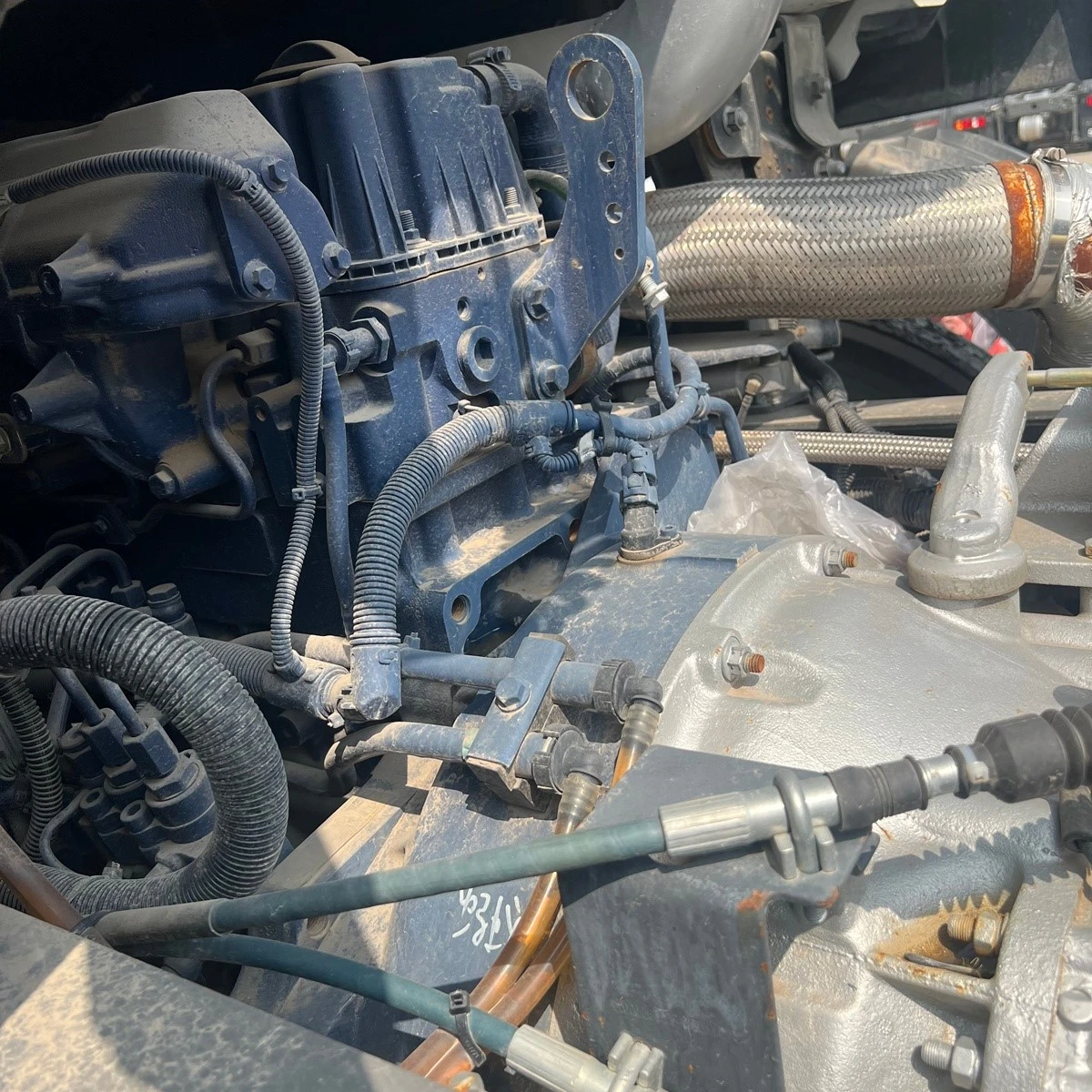
- Engine: Optional Sinotruk MAN MC series (MC07 / MC11) high-efficiency diesel engine; optional Weichai WP series engine for specific markets and medium-load scenarios; optional hydrogen fuel cell system for green transportation demand
- Displacement: 7.2L (MC07) / 10.5L (MC11), meeting different power demand scenarios; hydrogen fuel cell version is equipped with Sinotruk independently developed fuel cell system with rated power of 300kW and power mass ratio of 820W/kg
- Max Power: 320–460 HP (235–338 kW), optional 340HP / 380HP / 420HP / 460HP, the high-power version is suitable for medium-heavy load and mountain road auxiliary transportation, with strong climbing ability and rapid power response; hydrogen fuel cell version has a maximum total power of 1100kW, equivalent to 1475 horsepower
- Peak Torque: 1300–2100 N·m, with maximum torque speed of 900–1400 rpm (wider economic speed range), ensuring excellent low-speed torque and climbing performance, easily adapting to medium-load starting, uphill sections and urban road conditions; hydrogen fuel cell version has a wheel-end maximum torque of 86000N.m, with strong power performance
- Features: Inline 6-cylinder (diesel version), turbocharged & intercooled, direct injection, electronic control high-pressure common rail technology, with strong low-speed torque, fast heat dissipation and excellent fuel economy; the fuel consumption per 100 kilometers is 22–28L (varies with power version and transportation scenario), which is 5–7% lower than that of similar models; the B10 service life is as high as 1.2–1.5 million kilometers, with a long maintenance cycle (engine maintenance cycle up to 100,000 kilometers), suitable for long-distance high-intensity continuous operation. Hydrogen fuel cell version has a service life of more than 30,000 hours, low cold start temperature of -40℃, and 100-kilometer hydrogen consumption of less than 9.5kg.
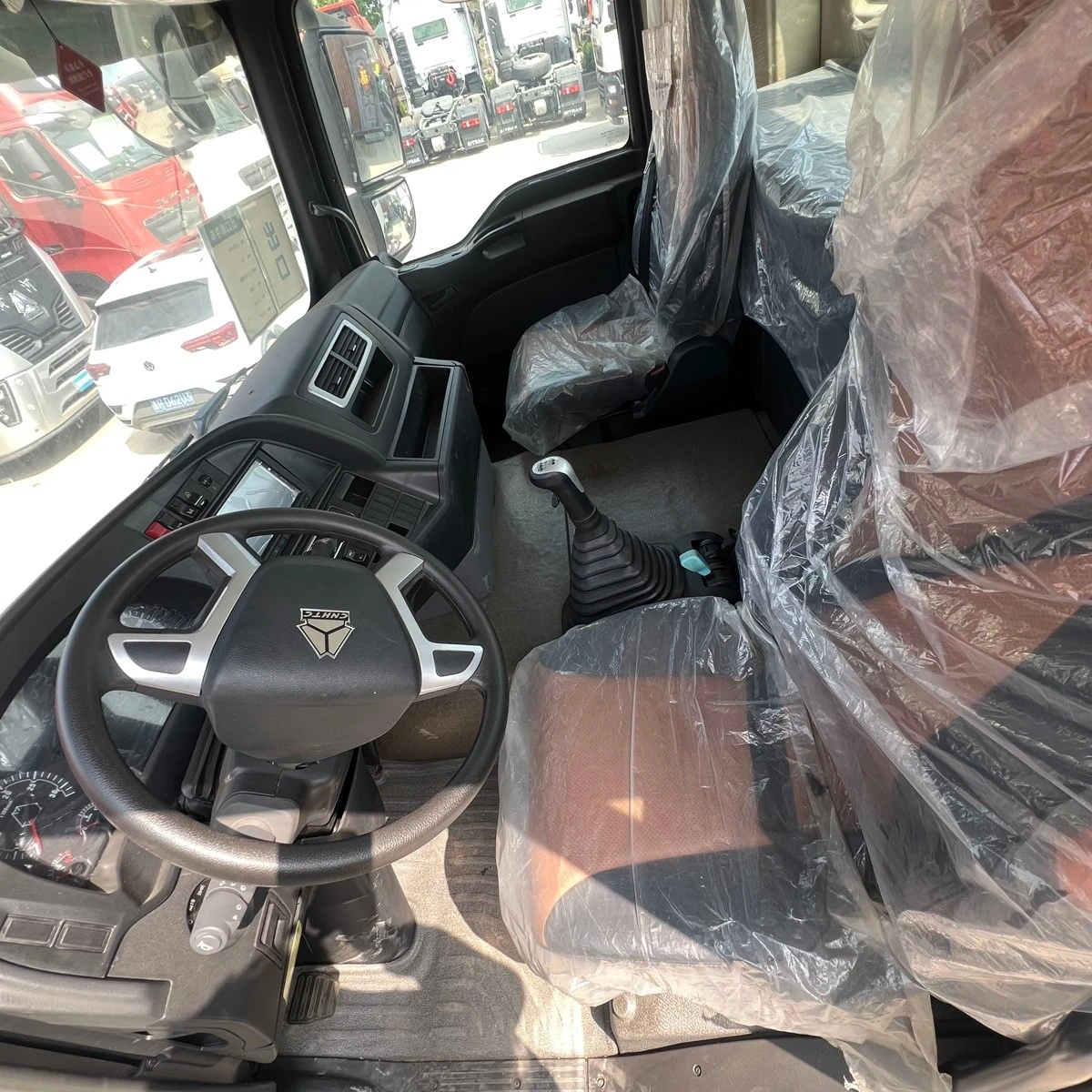
- Transmission: Standard 10-speed / 12-speed AMT automatic gearbox (Sinotruk self-developed or ZF imported), optional 10-speed manual gearbox according to user operating habits; perfectly matched with the engine (or hydrogen fuel cell system) to form an efficient and stable power chain; hydrogen fuel cell version is equipped with Sinotruk integrated two-speed electric drive axle with system efficiency as high as 94.5%
- Gears: 10 / 12 forward gears + 2 reverse gears (AMT version); 10 forward gears + 2 reverse gears (manual version); hydrogen fuel cell version can choose automatic/manual driving mode according to driving conditions
- Features: The AMT version has intelligent shift logic, which can automatically adjust gears according to driving speed, load and road conditions, reducing driving fatigue and improving operation efficiency; the transmission efficiency is as high as 99.2–99.5%, with smooth shifting, wear resistance and strong reliability; equipped with predictive shifting and cruise control functions, further improving fuel economy; the maintenance cycle is up to 200,000 kilometers, reducing maintenance frequency and cost. The electric drive axle of the hydrogen fuel cell version adopts two groups of 275kW flat-wire permanent magnet synchronous motors per axle, with excellent transmission efficiency.
- Axles: MAN technology light-duty to medium-heavy axles, optimized for 4×2 medium-load traction scenarios, adopting international advanced manufacturing technology and heat treatment process
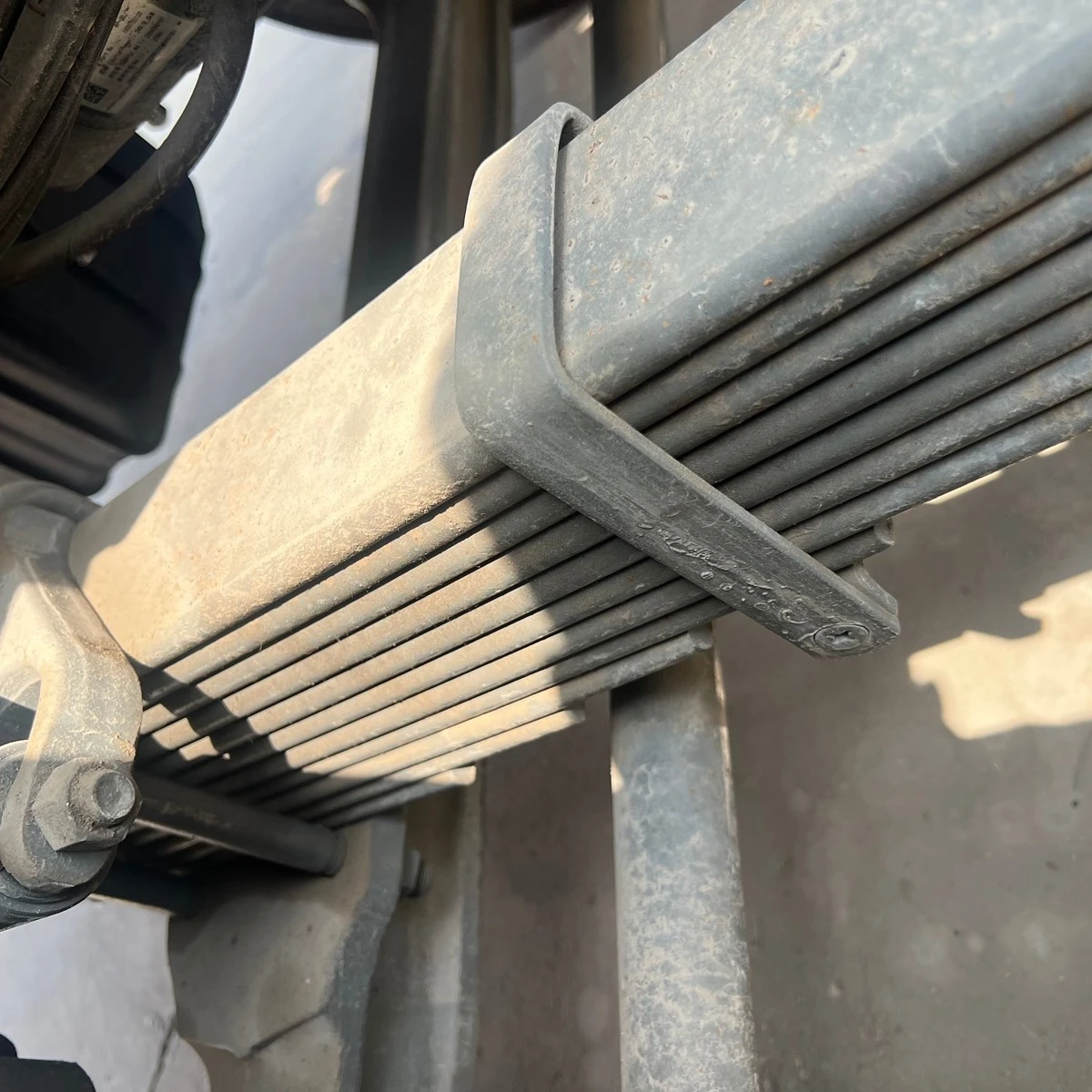
- Front Axle: 6.5T lightweight heavy-duty steering axle, allowable load of 6500kg; adopts high-strength alloy material, lightweight and durable, improving driving stability and fuel economy; equipped with high-performance steering system, flexible steering and low operation intensity, suitable for urban and narrow road driving
- Rear Axle: 11.5T / 13T single reduction axle, allowable load of 11500kg / 13000kg; adopts high-quality gear pair and maintenance-free imported SKF bearings, with low-viscosity gear oil to improve transmission efficiency; the final drive ratio is optional from 2.857 to 3.709, suitable for different speed and load requirements (high speed for highways, low speed for medium-load transportation); hydrogen fuel cell version is equipped with integrated electric drive axle
- Additional Configuration: Equipped with inter-wheel differential lock as standard, significantly improving passing performance on slippery, muddy and off-road roads; the drive shaft is optimized and upgraded with appropriate diameter and high strength, making it more durable; optional maintenance-free wheel ends, reducing maintenance burden and improving operation efficiency
Traction System & Energy Supply
- Traction Device: Equipped with a high-strength traction saddle (optional 50#), made of high-quality alloy steel, with strong traction capacity and wear resistance; the traction pin is quenched and tempered, with high hardness and impact resistance, suitable for long-term medium-load traction work
- Traction Capacity: 120–180 kN, meeting the traction needs of different types of trailers (container trailers, light bulk cargo trailers, express trailers, etc.)
- Design: Equipped with a quick-release device, which is convenient for connecting and disconnecting the trailer, improving operation efficiency; the traction saddle is adjustable, adapting to different trailer connection positions, ensuring stable traction and reducing chassis wear during long-distance and urban road driving; equipped with a reliable locking device, preventing the trailer from disconnecting during operation
- Energy Supply System:
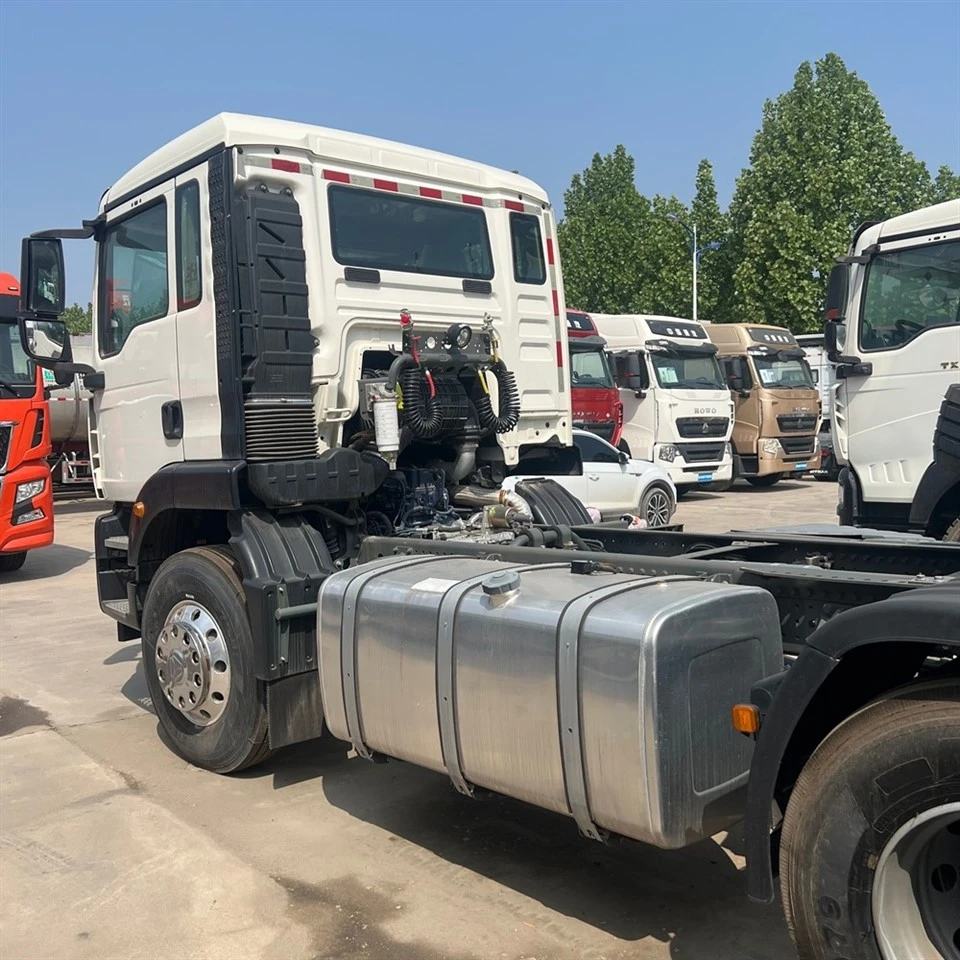
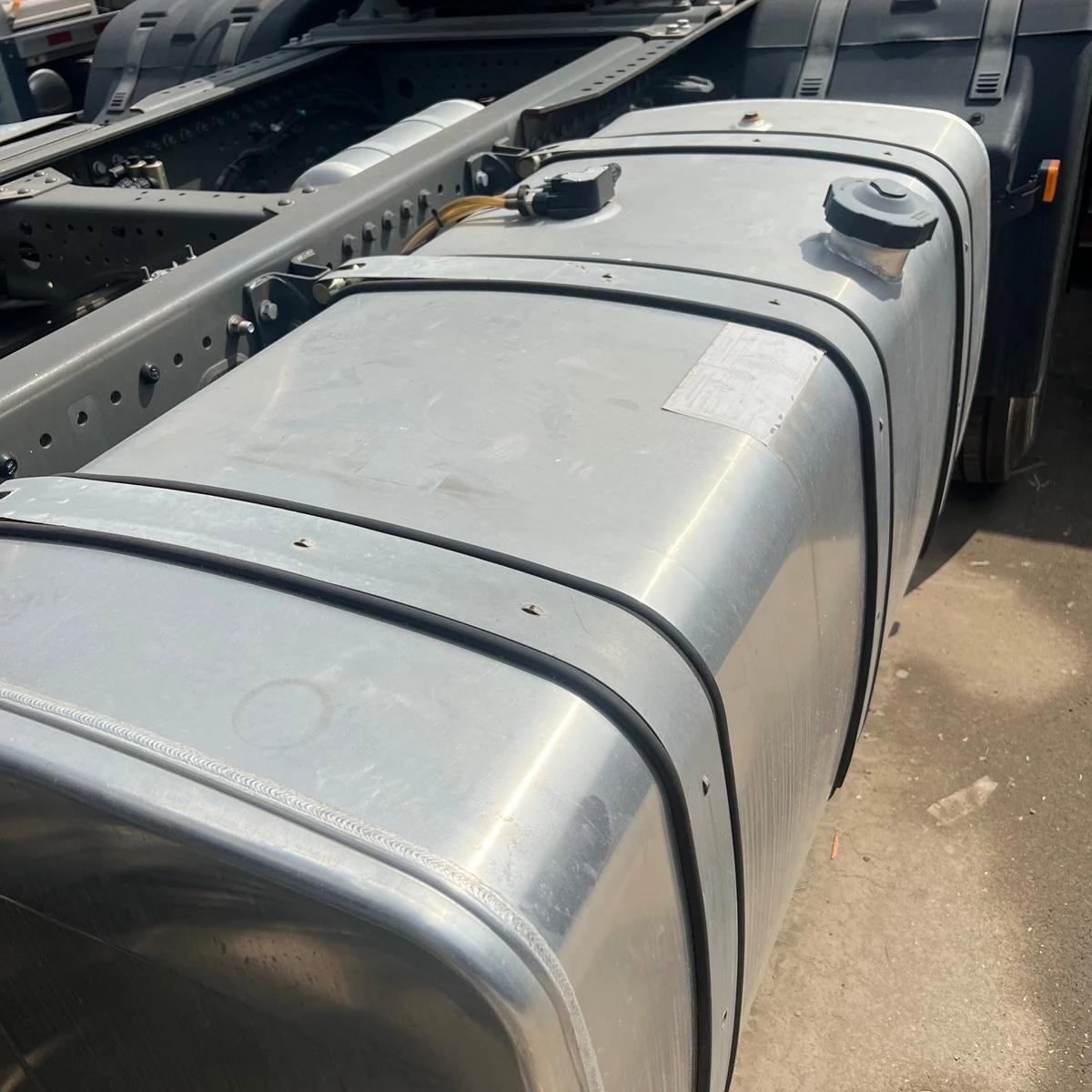
- Diesel Version: Equipped with a 700L / 800L large-capacity aluminum fuel tank as standard, corrosion-resistant and lightweight, realizing a long endurance of 2500–3000 kilometers, avoiding frequent refueling during long-distance transportation; optional 500L+300L dual fuel tank configuration, meeting the needs of ultra-long-distance transportation without refueling; equipped with a high-efficiency multi-stage fuel filter, which can effectively filter impurities and water in the fuel, protect the engine fuel injection system, and adapt to different fuel quality in various regions (especially suitable for overseas markets with uneven fuel quality); optional fuel tank heating function, suitable for low-temperature areas, preventing fuel from freezing and ensuring normal operation in cold weather; equipped with a fuel level sensor, real-time monitoring fuel level and reminding refueling in time.
- Hydrogen Fuel Cell Version: Equipped with 8 sets of 350-liter, 70MPa gas cylinders, with a total capacity of up to 2800 liters, and a cruising range of up to 1200 kilometers, realizing zero carbon emissions during driving; equipped with multiple energy-saving technologies such as multi-mode energy recovery and predictive intelligent energy-saving mode, further optimizing energy consumption.
Cabin & Safety Configuration
- Cabin: Integral all-steel collision-proof structure, ECE-R29 collision safety certification, 4-point full hydraulic suspension; overall adoption of cage structure, which significantly improves impact resistance and deformation resistance, and the safety reaches the world-class level; optional high-top double sleeper cab and standard cab, with flat floor design, improving interior space comfort and accessibility, suitable for long-distance drivers to rest; the chassis adopts a new modular integrated design, with more compact overall layout and efficient space utilization
- Interior: Spacious and comfortable, adopting advanced sound insulation, heat insulation materials and multiple shock absorption and noise reduction processes, NVH noise reduction as low as 51–52dB, effectively isolating noise and vibration during driving; equipped with multi-adjustable airbag shock-absorbing driver seat with ventilation and heating functions, 780–820mm wide sleeper bed, multi-functional LCD instrument panel, 10.25-inch intelligent central control screen, automatic constant temperature air conditioning, high-fidelity audio and multi-layer storage space, creating a "mobile home" for drivers and effectively reducing driving fatigue during long hauls; the interior adopts passenger car-style design, with a more humanized layout.
- Additional Configuration: Optional electric cab lifting, intelligent terminal, 360 panoramic camera (with blind spot monitoring function), intelligent fault diagnosis system (real-time monitoring of vehicle status), manual sunroof and parking air conditioning; the central control panel is reasonably arranged, with various function switches within easy reach, improving operation convenience; equipped with keyless entry and one-button start function (optional), enhancing driving comfort and convenience; hydrogen fuel cell version is equipped with advanced vehicle control and variable speed control systems.
- Safety Configuration: Comprehensive safety protection, focusing on solving the safety problems of medium-load, long-distance and urban road driving, in line with European safety standards; building an all-scenario safety protection matrix with multiple active and passive safety configurations
- Active Safety: ABS anti-lock braking system, EBD electronic brake force distribution, engine brake (diesel version), electronic stability program (ESP) as standard; optional L2+ level intelligent driving assistance system, including AEB automatic emergency braking, ACC adaptive cruise, LKA lane keeping, BSD blind spot monitoring, driver fatigue monitoring, LDW lane departure warning and hill-start assist, effectively preventing skidding, brake failure, collision and other accidents during driving; hydrogen fuel cell version is also equipped with CMBS collision mitigation braking system, TSR traffic sign recognition and other functions.
- Passive Safety: Reinforced anti-roll frame, curved high-strength windshield (anti-impact), three-stage bumper (anti-collision), safety belt reminder, cab anti-collision and anti-rollover design, ensuring driver safety in case of collision or rollover; the cab is equipped with multiple safety protection devices to avoid injury to the driver during operation; the chassis key components are selected from world-class suppliers and have passed millions of kilometers of rigorous road tests.
Operation Guide
Pre-Operation Inspection
Before starting the vehicle, conduct a comprehensive inspection to eliminate potential safety hazards and ensure normal operation, in line with the safety operation specifications of 4×2 tractors, especially suitable for medium-load and urban road transportation:
- Exterior & Chassis: Check the tire pressure and wear condition of all 4 tires, ensure wheel nuts are fastened (pay special attention to rear driving wheels); inspect the traction saddle, traction pin and connecting bolts for looseness, deformation or wear; check the drive shaft, axle and chassis bolts for tightness and damage; confirm the ground clearance is normal, and remove obstacles on the driving path to avoid tire or chassis damage during driving; check the integrity of the differential lock and its pipeline, and ensure it can work normally on slippery roads; for hydrogen fuel cell version, check the hydrogen storage system and safety monitoring system for abnormalities.
- Energy & Fluid Inspection: Diesel Version: Check the levels of engine oil, coolant, fuel and brake fluid to ensure they meet the standard; drain the accumulated water in the fuel filter in time; inspect the oil pipeline and brake pipeline for tightness, and check for oil leakage or air leakage; ensure the oil temperature and water temperature are within the normal range before operation, especially in cold areas; check the hydraulic oil level of the cab suspension system. Hydrogen Fuel Cell Version: Check the hydrogen pressure and pipeline tightness, ensure no hydrogen leakage; check the power battery status and related circuit connections.
- Cab & Electrical System: Test the vehicle lights, horn, wiper, automatic headlight and automatic rain wiper to ensure all electrical equipment works normally; check the airbag seat, suspension system and steering system for normal operation; confirm the parking brake is in effective braking state; adjust the rearview mirror and central control screen, and check the 360 panoramic camera and blind spot monitoring function to ensure good driving vision (especially important for urban road driving); check the traction saddle locking device to ensure it is locked reliably; test the one-button start function if equipped; check the intelligent fault diagnosis system for fault prompts.
Vehicle Starting & Daily Driving
- Enter the cab, turn the key to the "ON" position (or press the one-button start switch), wait for the vehicle self-inspection to complete (no fault alarm), then start the engine (diesel version) or power system (hydrogen fuel cell version). For the AMT automatic gearbox version, ensure the gear is in neutral before starting; start the vehicle in a well-ventilated area to avoid exhaust pollution (diesel version) or hydrogen accumulation (hydrogen fuel cell version).
- After starting, let the engine (diesel version) idle for 2–3 minutes to warm up, observe the instrument data (engine speed, oil pressure, water temperature) to ensure all indicators are normal; for hydrogen fuel cell version, wait for the system to start stably and check the hydrogen supply status. In low-temperature areas, preheat the engine (diesel version) or fuel cell system (hydrogen fuel cell version) to 25–35℃ before starting; do not start the vehicle with full load when the temperature does not meet the requirements, to avoid damaging the powertrain or fuel cell system.
- Release the parking brake, confirm the gear is in neutral (for automatic gearbox, switch to D gear), step on the accelerator gently to start smoothly, avoiding violent acceleration and harsh gear shifting, especially when pulling a medium-load trailer to prevent drive shaft or tire slipping; honk the horn before starting to warn surrounding personnel, which is more important in urban areas with dense pedestrians and vehicles.
- Maintain a stable speed during driving: the maximum speed on highways shall not exceed 95km/h, and the speed on urban roads shall be controlled within 50km/h (in line with urban speed limit regulations). For long downhill sections, use low gears and engine brake (diesel version) to avoid frequent braking, which may cause brake failure; do not change direction or shift gears when the vehicle is moving at high speed, and keep a safe distance from the vehicle in front; use the cruise control function appropriately on flat roads to reduce driving fatigue; for hydrogen fuel cell version, avoid sudden acceleration and deceleration to optimize hydrogen consumption.
- When driving on muddy, snowy or slippery roads, turn on the differential lock to improve wheel grip and passability; avoid sharp turns at high speed to prevent rollover. For steep slopes, use low gears to ensure sufficient power and avoid slipping; when climbing, maintain a stable speed and do not shift gears frequently; use the hill-start assist function when starting on slopes to prevent slipping; for hydrogen fuel cell version, pay attention to the power output status during climbing.
- During long-distance driving, pay attention to the energy level (fuel or hydrogen) and instrument prompts, and refuel (or replenish hydrogen) in advance when it is low; pay attention to the prompts of the intelligent fault diagnosis system, and deal with abnormal conditions in time; check the trailer connection status regularly during driving to ensure safe traction; for medium-load driving, avoid overloading to prevent damage to the powertrain, axles and fuel cell system (if applicable).
Trailer Connection & Disconnection Operation
- Trailer Connection: Drive the tractor to the front of the trailer, keep the tractor and trailer in a straight line, and slowly approach the trailer until the traction pin is aligned with the traction saddle; lower the tractor's suspension appropriately to make the traction pin insert into the traction saddle; lock the traction saddle locking device, and check to confirm it is locked reliably; connect the trailer's air circuit and circuit connectors, and test the trailer's lights and brakes to ensure they work normally; check the trailer's tire pressure and connection bolts, and confirm there is no looseness; use the 360 panoramic camera to check the surrounding environment to avoid blind spots, especially in narrow urban areas or parking lots.
- Trailer Disconnection: Drive the tractor and trailer to a flat, solid and open area, shift to neutral gear, and firmly pull the parking brake of the tractor and trailer; disconnect the trailer's air circuit and circuit connectors, and place the connectors in a clean and dry place to avoid pollution; lift the tractor's suspension to separate the traction saddle from the trailer's traction pin; slowly drive the tractor forward to separate it from the trailer, and park the tractor and trailer in a safe area respectively; place wheel blocks under the trailer's wheels to prevent slipping, which is more important on slopes; for hydrogen fuel cell version, cut off the hydrogen supply before disconnecting the trailer.
Post-Operation Maintenance
- Clean the dust on the cab, chassis and traction saddle to prevent dust accumulation from affecting the service life of the vehicle; clean the air filter regularly to ensure engine intake smoothness (diesel version), especially in dusty areas; clean the 360 panoramic camera lens and sensor to ensure clear vision and normal function; clean the residual dirt on the trailer connection part; for hydrogen fuel cell version, clean the hydrogen storage system and sensor to avoid dust affecting normal operation.
- Diesel Version: Check the levels of all oils and liquids again, replenish fuel, engine oil, coolant and brake fluid in time; check for oil leakage, air leakage and loose bolts (focus on chassis, powertrain and traction system), and tighten or repair them immediately if any problems are found; when inflating the tires, do not stand in front of the tires to avoid injury from explosion; check the wear condition of the brake pads and tires (medium-load and urban road driving requires more frequent inspection). Hydrogen Fuel Cell Version: Check the hydrogen storage system and safety monitoring system, check for hydrogen leakage, and clean the fuel cell stack regularly; check the power battery status and related circuit connections.
- Park the vehicle in a dry, ventilated and flat area, turn off the engine (diesel version) or power system (hydrogen fuel cell version), pull the parking brake tightly, and put the gear in neutral. If the vehicle is parked for a long time, cover the cab and traction saddle to avoid dust and corrosion; turn off the main power switch and close the doors and windows; disconnect the power supply of the trailer if it is not connected; retract the cab suspension to the appropriate position; for hydrogen fuel cell version, cut off the hydrogen supply and power supply, and park it in a well-ventilated area away from open flames.
- Carry out regular maintenance according to the vehicle manual: Diesel Version: Replace engine oil, filter elements (air filter, oil filter, fuel filter) and gear oil regularly according to the maintenance cycle (engine 100,000 kilometers, transmission and drive axle 200,000 kilometers); check the wear condition of tires, brake pads and transmission parts, and conduct comprehensive inspection and maintenance of the powertrain, traction system and brake system to ensure the long-term stable and efficient operation of the 4×2 tractor. Hydrogen Fuel Cell Version: Regularly maintain the hydrogen storage system, fuel cell stack and related components, and replace the filter elements according to the cycle; when maintaining the vehicle, support the lifted parts firmly to avoid accidents.
Hot Tags: sitrak 4×2 tractor, China sitrak 4×2 tractor manufacturers, factory, Sitrak 4 2 Tractor, Sitrak 6 4 Tractor, Sitrak C9H Tractor, Sitrak G7S Tractor, sitrak tractor truck, tractor truck