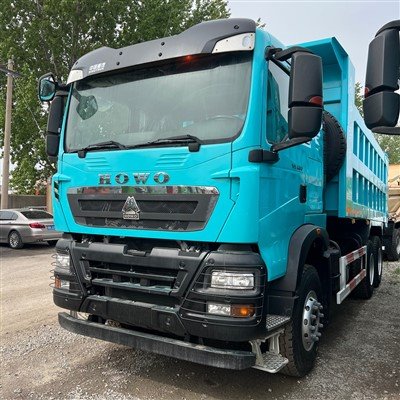
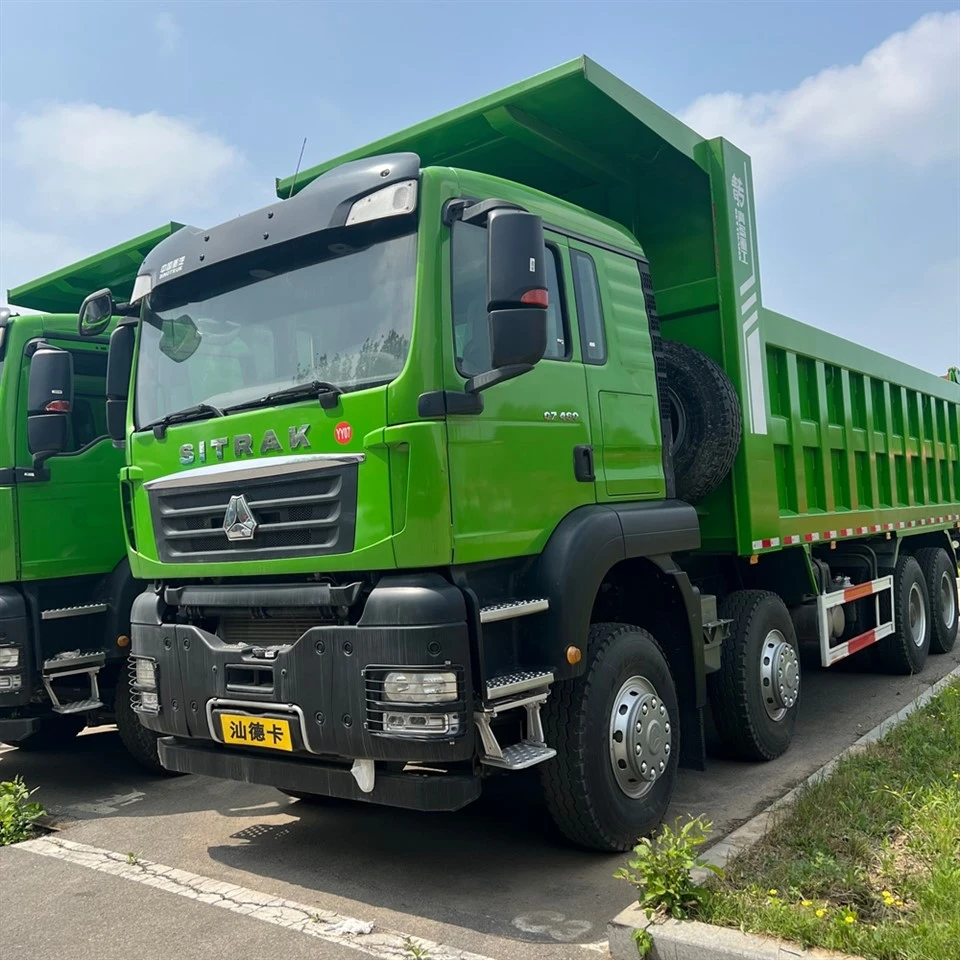
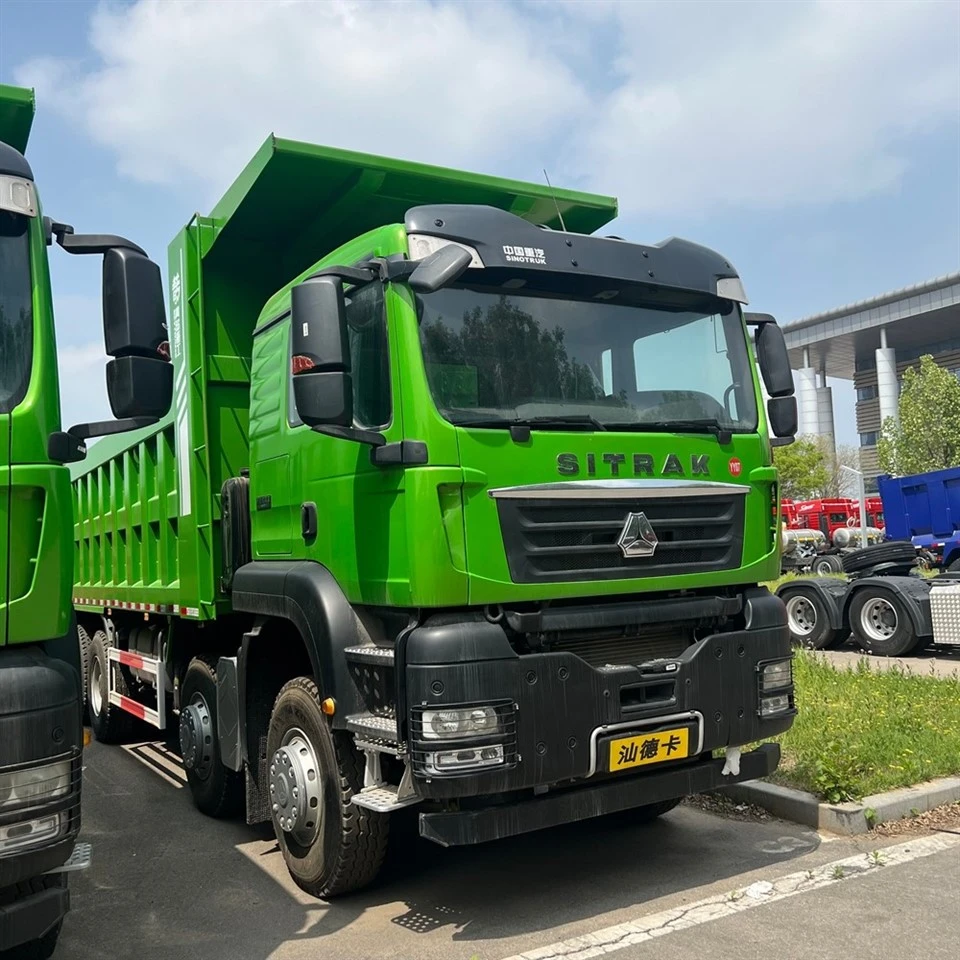
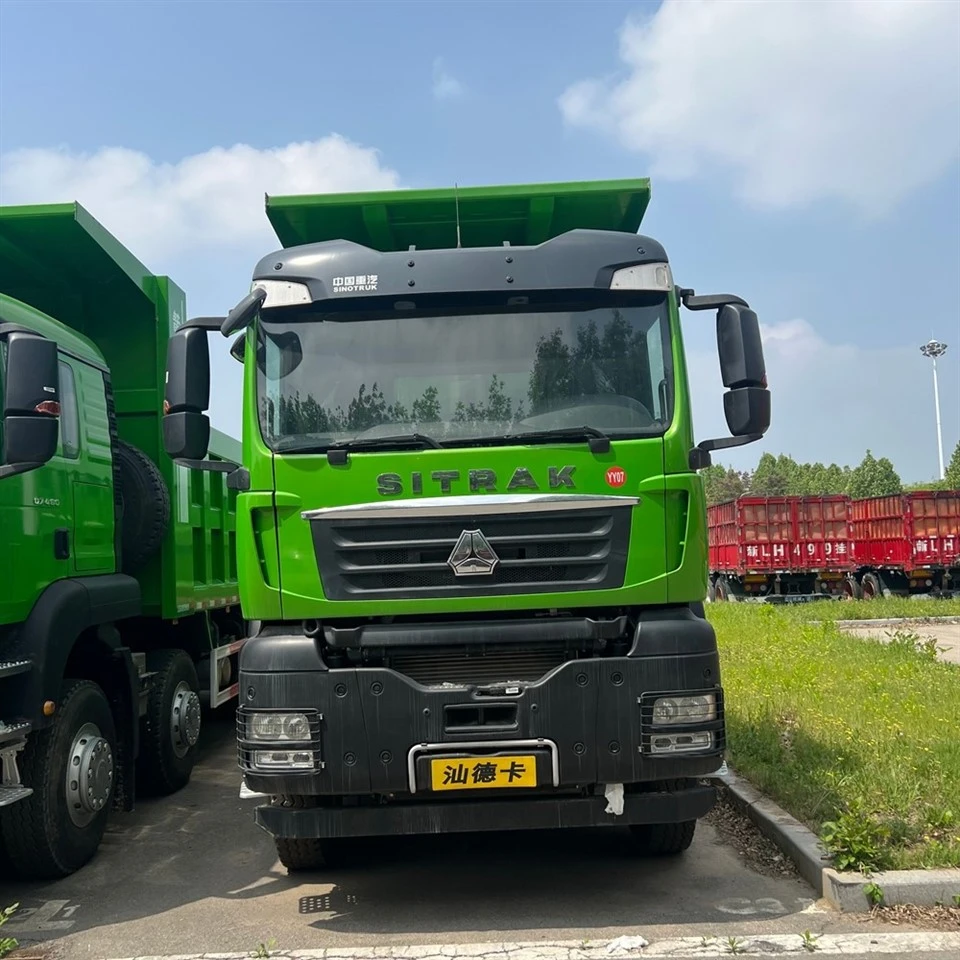

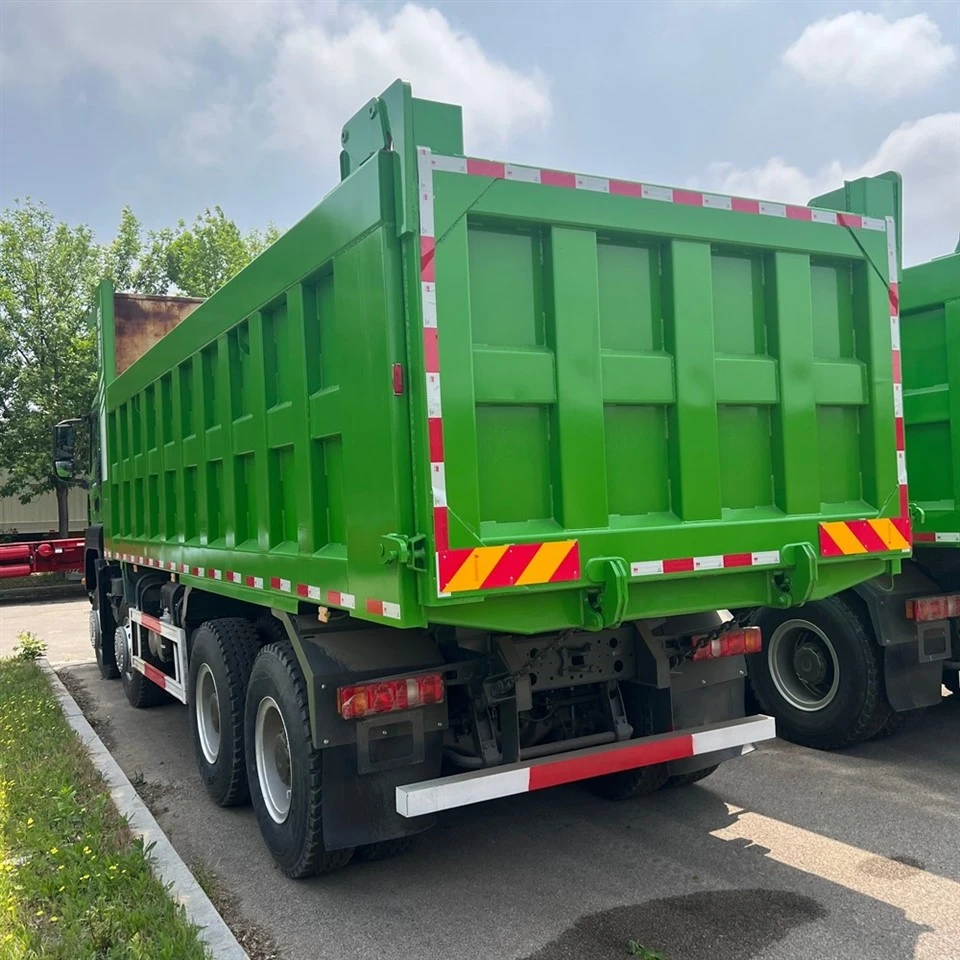
SITRAK G7 Dump Truck - Introduction, Detailed Specifications & Operation Guide
Detailed Specifications
Basic Parameters
- Brand & Model: SITRAK G7 Heavy-Duty Dump Truck (G7 Series, optional 6×4 / 8×4 drive)
- Drive Type: 6×4 (1 front steering axle + 2 rear driving axles, 10 wheels) / 8×4 (2 front steering axles + 2 rear driving axles, 12 wheels), optional according to demand
- Wheelbase: 6×4: 3775+1400mm / 3800+1350mm; 8×4: 1800+3375+1400mm / 1800+3975+1400mm (optional configurations)
- Overall Dimensions (L×W×H): 6×4: 8800–10200mm × 2550mm × 3400–3900mm; 8×4: 9600–10800mm × 2550mm × 3450–3900mm
- Curb Weight: 6×4: 12.5–14 tons; 8×4: 15.5–16.5 tons
- Gross Vehicle Weight (GVW): 25–31 tons (national standard limit, adjustable according to export requirements)
- Rated Payload: 6×4: 12–18 tons; 8×4: 15–20 tons
- Emission Standard: Euro 4 / Euro 5 / Euro 6 (China National IV / V / VI), available for export customization (such as Euro 3 for specific regions)
- Tire Specification: 11.00R20 / 12R22.5 / 295/80R22.5 (10 tires for 6×4, 12 tires for 8×4), optional low-rolling resistance energy-saving tires

Powertrain System
- Engine: Optional CNHTC MC Series (MC11 / MC13) diesel engine or Weichai WP10.5H / WP12 series diesel engine; optional LNG energy type for environmental protection needs
- Displacement: 10.5L (MC11 / WP10.5H) / 12.4L (MC13) / 11.596L (WP12)
- Max Power: 340–460 HP (250–338 kW), optional 380HP / 430HP / 460HP according to working condition requirements
- Peak Torque: 1500–2600 N·m (MC series); 2110–2000 N·m (Weichai series), with maximum torque speed of 1000–1600 rpm
- Features: Inline 6-cylinder, turbocharged & intercooled, direct injection, exhaust valve brake, electronic control high-pressure common rail technology, strong low-speed torque, fast heat dissipation, excellent fuel economy and long maintenance cycle (up to 60,000 kilometers), suitable for heavy-load climbing and long-distance transportation
- Transmission: 12-speed AMT automatic gearbox (CNHTC HW25712XSTCL optional) or FAST 12-speed manual gearbox (optional), matching the engine perfectly
- Gears: 12 forward gears + 2 reverse gears
- Features: The Sitrak G7 dump truck offers smooth gear shifting and high torque capacity; it features an aluminum alloy housing design that is lightweight, wear-resistant, and fatigue-resistant, as well as easy to maintain; the AMT version is equipped with intelligent shift logic, which can automatically adjust the gear according to the driving speed and load, reducing driving fatigue and improving operation efficiency, suitable for frequent start-stop and heavy-load working conditions
- Axles: MAN technology heavy-duty axles, optional MCY12BGK series double parallel axles for 8×4 models
- Front Axle: 7.5T MAN lightweight heavy-duty axle, allowable load of 7500kg; front steering axles adopt lightweight suspension configuration to reduce fuel consumption
- Rear Axle: 16T MAN double reduction axle, allowable load of 18000kg (two-axle group); double parallel axles adopt 4-leaf parabolic leaf spring suspension, balancing lightweight and load-bearing capacity, reducing chassis wear
- Final Drive Ratio: 3.7–5.92 (optional), 3.7 ratio is suitable for high-efficiency and fuel-saving transportation; 4.769 / 5.262 / 5.92 ratios are suitable for climbing and heavy-load scenarios
- Additional Configuration: Equipped with inter-axle and inter-wheel differential locks as standard, significantly improving passing performance on slippery and muddy roads, and enhancing vehicle off-road and Escape capability; optional Camai maintenance-free wheel ends with 3-year or 500,000-kilometer maintenance cycle
Cargo Box & Hydraulic Lifting System
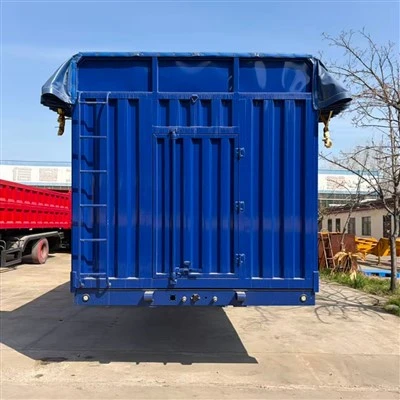
- Cargo Box: Rear-tipping type, made of high-strength wear-resistant steel, anti-deformation and anti-corrosion
- Standard Size: 6×4: 5.8m–7.2m (length) × 2.35m (width) × 1.5m–1.8m (height); 8×4: 6.5m–8.2m (length) × 2.35m (width) × 1.5m–1.8m (height), optional 7.6m length for specific demand
- Plate Thickness: Floor 6–8mm, side plate 4–6mm; frame size 850×300(8+5)mm, reinforced structure to prevent deformation and cracking, suitable for heavy-load transportation of ore, gravel and other materials
- Design: U-shaped or rectangular integral stamping, wear-resistant, not easy to stick materials, large loading volume, suitable for transporting sand, gravel, soil, ore and other bulk materials, especially suitable for mining, quarrying and large-scale earthwork transportation scenarios
- Hydraulic System: Front-mounted multi-stage telescopic high-pressure oil cylinder, imported or domestic well-known brand hydraulic components
- Maximum Lifting Angle: 48–50°
- Lifting Time: ≤15s (6×4) / ≤18s (8×4), Lowering Time: ≤12s (6×4) / ≤15s (8×4)
- Features: Stable lifting and lowering, no jitter, strong pressure-bearing capacity, not easy to leak oil, equipped with high-performance power take-off (PTO) as standard, suitable for frequent dumping operations, improving transportation efficiency; the hydraulic system is equipped with pressure protection device and overload protection device to ensure operation safety

Cabin & Safety Configuration
- Cabin: Integral all-steel collision-proof structure, ECE-R29 collision safety certification, 4-point full hydraulic suspension; high-top cab frame with flat floor design, improving interior space comfort and accessibility
- Interior: Spacious and comfortable, equipped with Grammer multi-adjustable airbag shock-absorbing driver seat with foldable lumbar support, wide sleeper bed (suitable for long-distance driving), 4-spoke multifunctional steering wheel (with multi-function adjustment buttons), electric windows, automatic constant temperature air conditioning, high-fidelity audio and multiple storage compartments (including three-section split storage grid on the top), effectively reducing driving fatigue during long hauls
- Additional Configuration: Optional electric cab lifting, oil-bath air filter (suitable for dusty working conditions), intelligent terminal, 4-directional camera for better driving vision (for export models), autonomous cloud diagnosis system (real-time monitoring of vehicle status), manual sunroof and optional parking air conditioning, 3-layer foot pedal design (reducing dirt entering the cab)
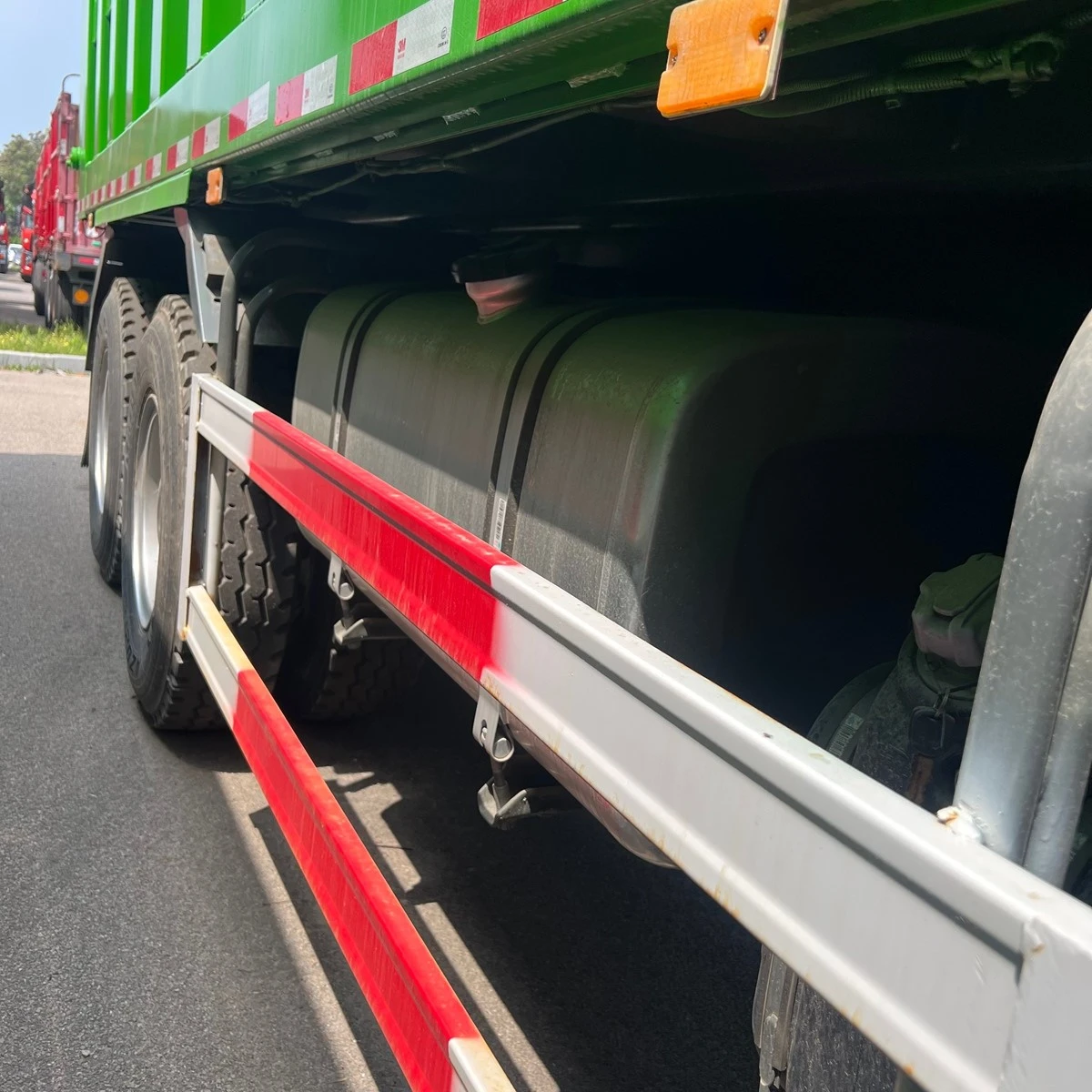
- Fuel Tank: 300–600L aluminum fuel tank, corrosion-resistant and lightweight; optional 600+400L large-capacity configuration to meet long-distance transportation needs without frequent refueling
- Safety Configuration: Comprehensive safety protection, ensuring driving safety under heavy load and complex road conditions
- Active Safety: ABS anti-lock braking system, engine brake, exhaust brake, electronic stability program (ESP) optional, intelligent driving assistance system, brake pressure monitoring, effectively preventing accidents such as skidding and brake failure during heavy-load driving; brake system meets international safety pressure requirements
- Passive Safety: Reinforced anti-roll frame, curved high-strength windshield (anti-impact), three-stage bumper (anti-collision), safety belt reminder, cab anti-collision and anti-rollover design, ensuring driver safety in case of collision or rollover; the cab is equipped with multiple safety protection devices to avoid injury to the driver during operation

Operation Guide
Pre-Operation Inspection
Before starting the vehicle, conduct a comprehensive inspection to eliminate potential safety hazards and ensure normal operation, in line with the safety operation specifications of engineering vehicles:
- Exterior & Chassis: Check the tire pressure and wear condition, ensure wheel nuts are fastened; inspect the cargo box for cracks, deformation or residual materials; check the hydraulic cylinder and pipeline for oil leakage; confirm all chassis bolts are tight and the ground clearance is normal; remove obstacles on the driving path to avoid tire damage.
- Fluid Inspection: Check the levels of engine oil, coolant, fuel and brake fluid to ensure they meet the standard; drain the accumulated water in the fuel filter in time; inspect the hydraulic oil level and pipeline tightness; ensure the oil temperature and water temperature are within the normal range before operation.
- Cab & Electrical System: For the Sitrak G7 dump truck, test the vehicle's lights, horn, wipers, and dashboard displays to ensure all electrical systems are functioning correctly; check the airbag, seat, and suspension systems for proper operation; verify that the parking brake is fully engaged; open and secure the cargo bed's tailgate if necessary; and adjust the rearview mirrors to ensure good visibility.
Vehicle Starting & Daily Driving
- Insert the key, turn to the "ON" position, wait for the vehicle self-inspection to complete (no fault alarm), then turn to the "START" position to start the engine. For the AMT version, ensure the gear is in neutral before starting; start the engine in a well-ventilated area, and guide the exhaust to the outdoor if starting indoors.
- After starting, let the engine idle for 3–5 minutes to warm up, observe the instrument data (engine speed, oil pressure, water temperature) to ensure all indicators are normal. In low-temperature areas, preheat the engine to 30–40℃ before starting; do not start the engine with full load when the water temperature and oil temperature do not meet the requirements.
- Release the parking brake, fully depress the clutch (for manual transmission), shift to the first gear, slowly release the clutch and step on the accelerator gently to start smoothly, avoiding violent acceleration and harsh gear shifting, especially when fully loaded to prevent drive shaft or tire slipping. For the AMT version, simply step on the accelerator to start after releasing the parking brake; honk the horn before starting to warn surrounding personnel.
- Maintain a stable speed during driving: the maximum speed on highways shall not exceed 80km/h, and the speed on rough construction sites shall be controlled within 40km/h. For long downhill sections, use low gears and engine brake to avoid frequent braking, which may cause brake failure; do not change direction or shift gears when the vehicle is moving at high speed.
- When driving on muddy, snowy or slippery roads, turn on the differential lock to improve wheel grip and passability; avoid sharp turns at high speed to prevent rollover. For steep slopes, use low gears to ensure sufficient power and avoid slipping; avoid driving horizontally on steep slopes to prevent the vehicle from tipping.
Standard Dumping Operation
- Positioning & Parking: Drive the truck to a flat, solid and open area, keep the vehicle body horizontal, shift to neutral gear, and firmly pull the parking brake; for ramp parking, use wheel blocks to prevent slipping; do not park in areas with open flames or high temperatures to avoid tire explosion.
- PTO Engagement: Keep the engine running, fully depress the clutch (for manual transmission), and engage the power take-off (PTO) to make the hydraulic system enter the working state; confirm the PTO is engaged normally before proceeding to the next step; do not engage PTO when the vehicle is moving.
- Lifting & Dumping: Slowly release the clutch (for manual transmission), push the hydraulic control lever upward to lift the cargo box evenly to the standard dumping angle (48–50°). During the whole process, ensure there are no personnel, obstacles or overhead obstacles (minimum clearance ≥6m) around the cargo box to avoid accidents; avoid violent dumping to prevent material splashing and vehicle instability; do not stand under the lifted cargo box.
- Reset Operation: After the materials are completely unloaded, pull the hydraulic control lever down to lower the cargo box slowly until it is fully seated; fully depress the clutch (for manual transmission) to disengage the PTO, reset the control lever to the neutral position, and close the rear tailgate of the cargo box if necessary; ensure the cargo box is fully reset before driving.
Post-Operation Maintenance
- Clean the residual materials inside the cargo box and the dust on the chassis to prevent corrosion and material accumulation, which may affect the service life of the vehicle; clean the air filter regularly to ensure engine intake smoothness.
- Check the levels of all oils and liquids again, replenish fuel, engine oil, coolant and hydraulic oil in time; check for oil leakage, air leakage and loose bolts, and tighten or repair them immediately if any problems are found; when inflating the tires, do not stand in front of the tires to avoid injury from explosion.
- Park the vehicle in a dry, ventilated and flat area, turn off the engine, pull the parking brake tightly, and put the gear in neutral. If the vehicle is parked for a long time, retract all hydraulic cylinders and cover the exposed parts of the cylinder piston rods; take the key, turn off the main power switch and close the doors and windows.
- Carry out regular maintenance according to the vehicle manual: replace engine oil, filter elements (air filter, oil filter, fuel filter) and hydraulic oil regularly, check the wear condition of tires, brake pads and transmission parts, and conduct comprehensive inspection and maintenance of the powertrain and hydraulic system to ensure the long-term stable and efficient operation of the vehicle; when maintaining the vehicle, support the lifted parts firmly to avoid accidents.
- Additionally, regularly check fluid levels-including engine oil, coolant, brake fluid, and hydraulic oil-and replace them according to the manufacturer's recommended intervals. Inspect belts and hoses for cracks, swelling, or leaks, and verify all electrical connections are secure and corrosion-free. Keep detailed maintenance records to track service history and anticipate potential issues before they escalate. Always use OEM or certified equivalent parts to preserve system integrity and warranty validity.
Hot Tags: sitrak g7 dump truck, China sitrak g7 dump truck manufacturers, factory